
Deodorization systems
Los sistemas de desodorización de Alfa Laval incrementan la pureza, estabilidad y vida útil en el refinado de aceites de palma, soya, colza y otros. Mediante procesos que emplean menos vapor y temperaturas más bajas que sistemas comparables, eliminan olores, sabores, colores e impurezas no deseadas. Este tratamiento eficaz mitiga la formación de ésteres glicidílicos (GEs) y ácidos grasos trans (TFA), garantizando un producto con mayor calidad, seguridad alimentaria y rendimiento operativo.
Desodorización eficiente para una mayor calidad, un mayor rendimiento y una menor pérdida de producto
- Sistemas de desodorización versátiles, confiables y fáciles de operar para el refinado de aceites comestibles
- Sistemas de desodorización optimizados para adaptarse a los requisitos específicos de su proceso
- Máxima calidad y rendimiento del producto
- Mínima pérdida de producto y menor consumo de servicios públicos
- Eliminación comprobada de GEs por debajo de 0.5 ppm
Obtenga el máximo rendimiento de su procesamiento de aceites comestibles con los sistemas avanzados de desodorización de Alfa Laval. Ya sea que refine aceite de semillas, desacidifique aceites tropicales o minimice los GEs y los elementos traza tóxicos, puede personalizar estos sistemas modulares de desodorización según sus necesidades exactas de procesamiento.
La desodorización se lleva a cabo a la temperatura más baja posible y elimina eficazmente los GEs, hidrocarburos policíclicos aromáticos, pesticidas y otros volátiles. La tecnología patentada de película delgada asegura una desodorización de aceite suave pero eficaz, al tiempo que reduce el uso de energía y las temperaturas de procesamiento. Los controles e instrumentación inteligentes facilitan la operación sin esfuerzo, al tiempo que garantizan una producción constante y de alta calidad.
Ya sea instalando nuevas líneas o actualizando sistemas existentes, el equipo de desodorización de Alfa Laval está diseñado para una máxima eficiencia, seguridad y rendimiento.
How the deodorization process works in edible oil refining
The deodorization process in oil refining is a steam stripping process at low pressure and high temperature under vacuum conditions. Steam gently passes through the oil, removing impurities that compromise flavour, odour, colour, and stability. This process enhances taste, extends shelf life, and ensures compliance with food standards.
Oxygen removal and pre-heating in deodorization systems
Before heating the oil, air must be removed under vacuum to prevent oxidation and protect product quality. The oil is then pre-heated in an economizer – a heat exchanger that recovers energy from the hot, treated oil discharged the deodorization column. A final heater uses high-pressure steam to bring the oil to the exact temperature, typically 220°-260°C, required for deodorization.
Thermal stripping and retention during deodorization of oil
The heated oil enters the deodorization column, which typically consists of a stripping section and a retention section. In the stripping section, steam and vacuum conditions remove volatile compounds like free fatty acids (FFAs) that have a higher vapour pressure than the oil itself. If present, these impurities affect edible oil flavour, odour, and stability.
The retention section holds the oil for a specified period for thermal treatment – known as heat bleaching – to remove undesirable pigments and enhance product stability. The length of time the oil is kept in the retention section depends upon the desired product specifications.
GE removal and post-stripping in deodorization machines
The oil passes through a post-stripping section under vacuum as a thin film, exposed to steam to remove residual volatiles, including compounds generated during thermal degradation. The treated oil is then cooled.
Keeping temperatures below 200°C limits the formation of glycidyl esters (GEs) and enables any GEs to be removed from cooled quench oil. A specially designed column filled with structured packing, or GE stripper, effectively removes GEs to levels below 0.5 ppm in size by promoting contact between steam and oil under vacuum conditions. However, to be effective, this method calls for immediate cooling after GE stripping.
Condensation of stripped impurities in the deodorization process
Stripped volatiles are condensed in a scrubber unit using recirculated and cooled distillate. The scrubber can be mounted either on top of the stripping section or built as a separate vessel. Volatiles can be condensed in stages (double scrubbing) or the condensates subjected to further purification (TocoBoost) to recover valuable micronutrients such as tocopherols and sterols.
Final cooling and polishing in the deodorization system
Finally, cooling the oil occurs in two stages: (1) in the economizer to reach the specified final temperature, and (2) during polish filtration before transfer to subsequent processes, storage or packaging.
Applications and product range
Alfa Laval deodorization systems are mainly used in the edible oil and animal fat industries, but can also be adapted for inedible purposes, such as biodiesel and hydrotreated vegetable oil (HVO) pre-treatment. For more information on special product lines from the range of Alfa Laval deodorization/deacidification solutions, see:
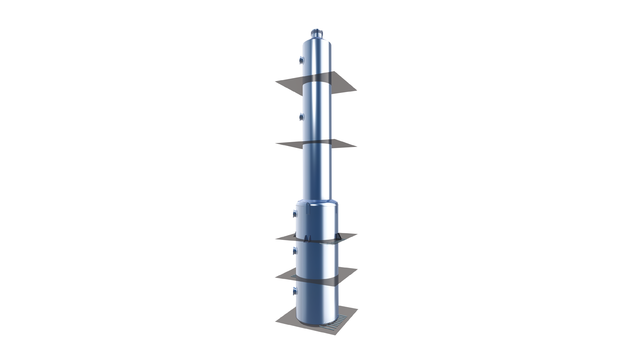

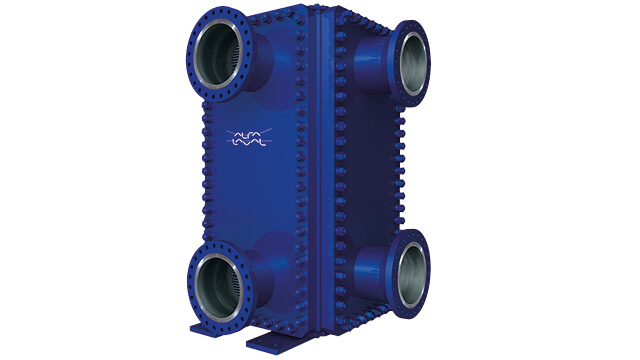
Our customers
The Bunge Group
The Bunge Group is a global agribusiness and food operation. The group’s Food Products division is Latin America’s largest oil seed processor and largest seller of bottled oils to the retail market. In addition, Bunge has invested in the largest vegetable oil refinery in Latin America to extend this position. Located in Brazil, this major plant has a capacity of 1200 tonnes per day.
Alfa Laval is responsible for the complete refinery, featuring a neutralization section with two PX 110 separators, a bleaching process installation and a complete SoftColumn deodorization solution.
PT Grahadura Leidongprima
PT Grahadura Leidongprima is a family-owned business on the island of Sumatra in Indonesia. The company is very successful in the palm oil processing industry. To cement this position, the company ordered the first SoftColumn deodorization plant in Indonesia, accompanied by dry fractionation plants.
This Alfa Laval SoftColumn deodorization installation provides the company with a processing capacity of 1,000 tonnes of palm oil daily.
The Imcopa soybean oil refinery
The Imcopa soybean oil refinery in Brazil decided on an upgrade path to tackle very high steam costs, plus problems with poor heat recovery in the company’s existing plant.
Benefiting from the Alfa Laval retrofit concept, Imcopa upgraded an existing deodorizer and installed a new neutralization and bleaching line, plate heat exchangers, mixers and a PX 95 separator. This enabled the company to boost refinery capacity from 400 to 600 tonnes daily. This retrofit strategy, combined with Alfa Laval heat transfer technologies, enabled Imcopa to reduce overall production costs by more than USD 3 per tonne of oil – the investment paid for itself in less than 2 years.
Key edible oil processing equipment used in our systems
Eleve el rendimiento de sus sistemas de refinación de aceites comestibles
La producción inteligente de recursos es esencial, ya que los aceites comestibles desempeñan un papel fundamental en la seguridad alimentaria mundial.
Optimice sus procesos a lo largo de todo el ciclo de vida de sus sistemas de aceite comestible con el portafolio de servicios de Alfa Laval.
Aproveche nuestra gama completa de servicios: desde el diseño del sistema, la ingeniería de precisión y una instalación sin esfuerzo, hasta la puesta en marcha, una operación rentable, el mantenimiento de rutina y las actualizaciones del sistema.
Con acuerdos de servicio a la medida, usted puede reducir los residuos, proteger la calidad del producto, simplificar las operaciones y maximizar su rendimiento financiero. Concéntrese en el crecimiento de su negocio mientras nuestra red global y los proveedores locales se encargan del resto.
Webinars for the Edible Oil industry
Our experts share know-how to optimize edible oil refining processes, remove impurities and volatile components for better product quality, safety and yield.